
Perspectives
Perspectives on design,
construction and the experience of building a home done well.
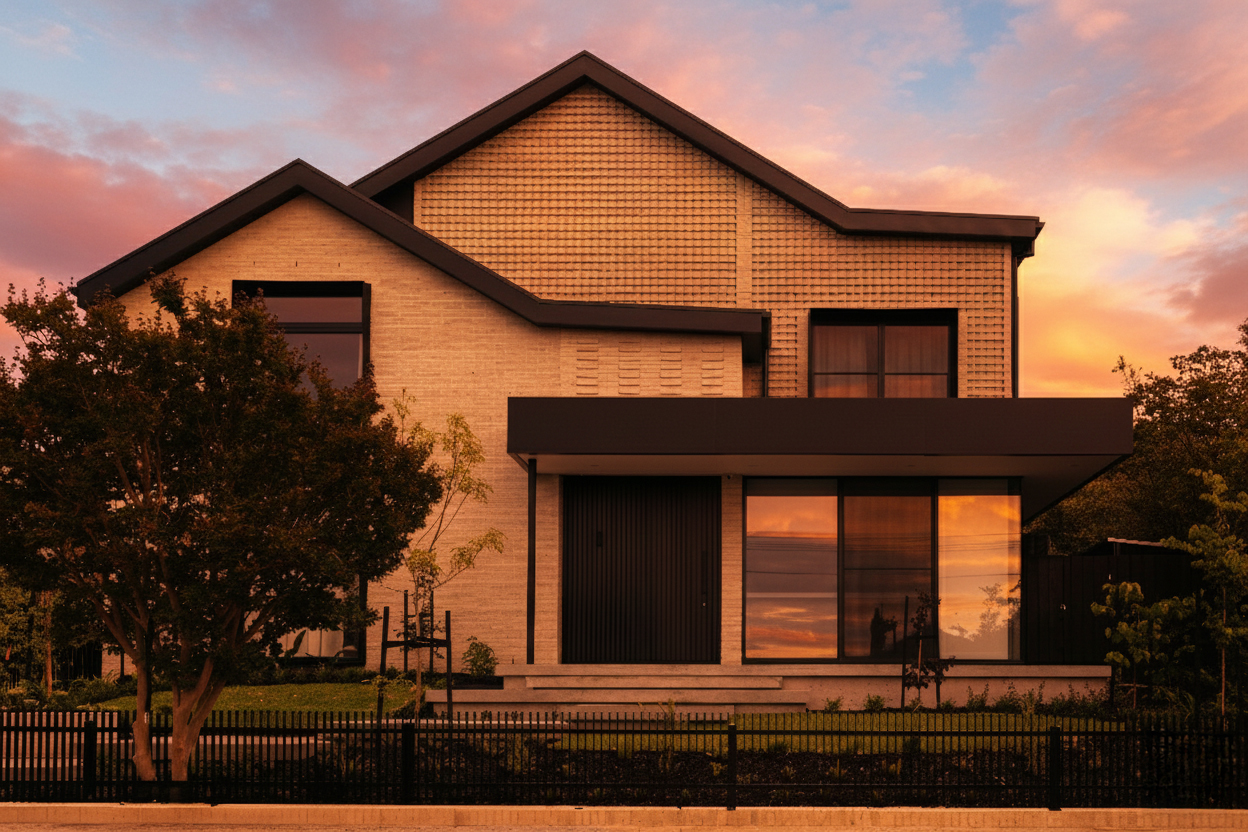
There has been a significant shift in Australia's homeownership market in recent years, as I'm sure you've noticed. Gone are the days of 2.4 children and the white picket fence. Nowadays, more and more are choosing to invest in townhouses instead, and there are many reasons why.
The most notable is their relative affordability compared to houses and a shift in demographics- people are having children older, having less of them, and prioritising a low maintenance lifestyle with closer proximity to amenities and the workplace.
But are townhouses a good investment?
As well as your overarching investment strategy, your plans for the house will decide whether you choose to make your investment here (as opposed to a house or an apartment).
This blog will walk you through its pros and cons.
Pros:
The cost
We've already touched on this in our introduction, and it's the key driver in the decision-making process for many property investors.
Townhouses are generally cheaper than houses, making them a popular and affordable entry point into the market for young families, professional singles or couples, and downsizers.
They offer a favourable trade-off between the benefits of a house and an apartment- cheaper than detached houses but bigger than apartments.
Lower up-keep
The smaller size of a townhouse compared to a house is reflected in its lower maintenance costs. Their yards are often simpler and smaller too- cost-savings that add convenience and appeal, especially if you plan on listing on the rental market.
Market appeal for tenants
We have touched upon some of these points above: the lower maintenance, proximity to amenities and modern designs of townhouses attract quality tenants and give the properties high tenant market appeal.
Of course, local markets can vary, so you still need to do your homework on their respective supply and rental rates.
Common property depreciation
Townhouse investors can claim depreciation on a property and its assets: the structure, fixed assets and other assets they own in the property, i.e. kitchen appliances. Everyday property items can be claimed for too- such as garbage bins, security cameras and any driveways that link the townhouses.
Privacy
Although they often now come with common amenities (swimming pools, parks etc.), they don't have any shared living areas, so they boast much of the same privacy of the house.
Space
Townhouses are often split into 2 or 3 floors, offering more space than most apartments.
Modern amenities
With the explosion in their popularity as a relatively modern development, most come with the trappings of modern conveniences, such as ensuite bathrooms and open-plan living.
More relaxed bylaws
While townhouses still need to adhere to local bylaws, these do tend to be more relaxed than those for apartment buildings, and it's less likely you will have to pay body corporate fees.
Cons:
You're part of a strata scheme
As part of a strata scheme, there are restrictions on how you can update the property- you'll need to get any improvements approved first. However, this isn't so much of an issue if you are investing as a rental property, as simple repairs are usually fairly plain sailing through the strata approval process.
Lower rental returns
Townhouses often have lower rental yields than freestanding homes, though the lower purchase price and maintenance costs counterbalance this. Still, it would be best to size up these factors when choosing where to invest.
Resale values
Historically, the capital growth of freestanding houses exceeds those of townhouses. Though these market waves are also subject to fluctuation, so there are other things to bear in mind before you invest- specifically, where these lie when you are looking to buy.
Space
Townhouses usually have smaller square footage and outdoor space than freestanding houses.
Price
Although cheaper than a detached house, townhouses are often more expensive than apartments.
Less individuality
The nature of townhouses means they are often built with the same layout and design as neighbouring buildings and are less bespoke than a house.
Stairs
Usually over 2 or 3 floors, townhouses may not be best suited for the elderly or people with mobility issues.
Conclusion:
Whether a townhouse is the best investment property for you will depend on several factors, such as your budget, what you want from the investment (rental yield or capital growth), if you are planning to be owner-occupiers or landlords, and current property market conditions.
But with the changes in the composition of society, our habits and our demands, their popularity as living spaces certainly show no signs of abating.
If you do choose to make your investment in a townhouse, here are a few things you should prioritise:
- Proximity to local retail, public transport, schools, and parks.
- Versatile floorplans that cater for downsizers, families, or young professionals.
- A design that lets in lots of natural light to living spaces and bedrooms.
- Lots of storage space and options.
- What common facilities it has, and whether they appeal to you or prospective tenants.
- Whether the type of title (strata, community or freehold) suits your investment needs.
A final word of advice is to check whether the advertised price of the house and land packages is up to 'turn-key' standard, to ensure there are no hidden surprises and extra costs with landscaping etc.
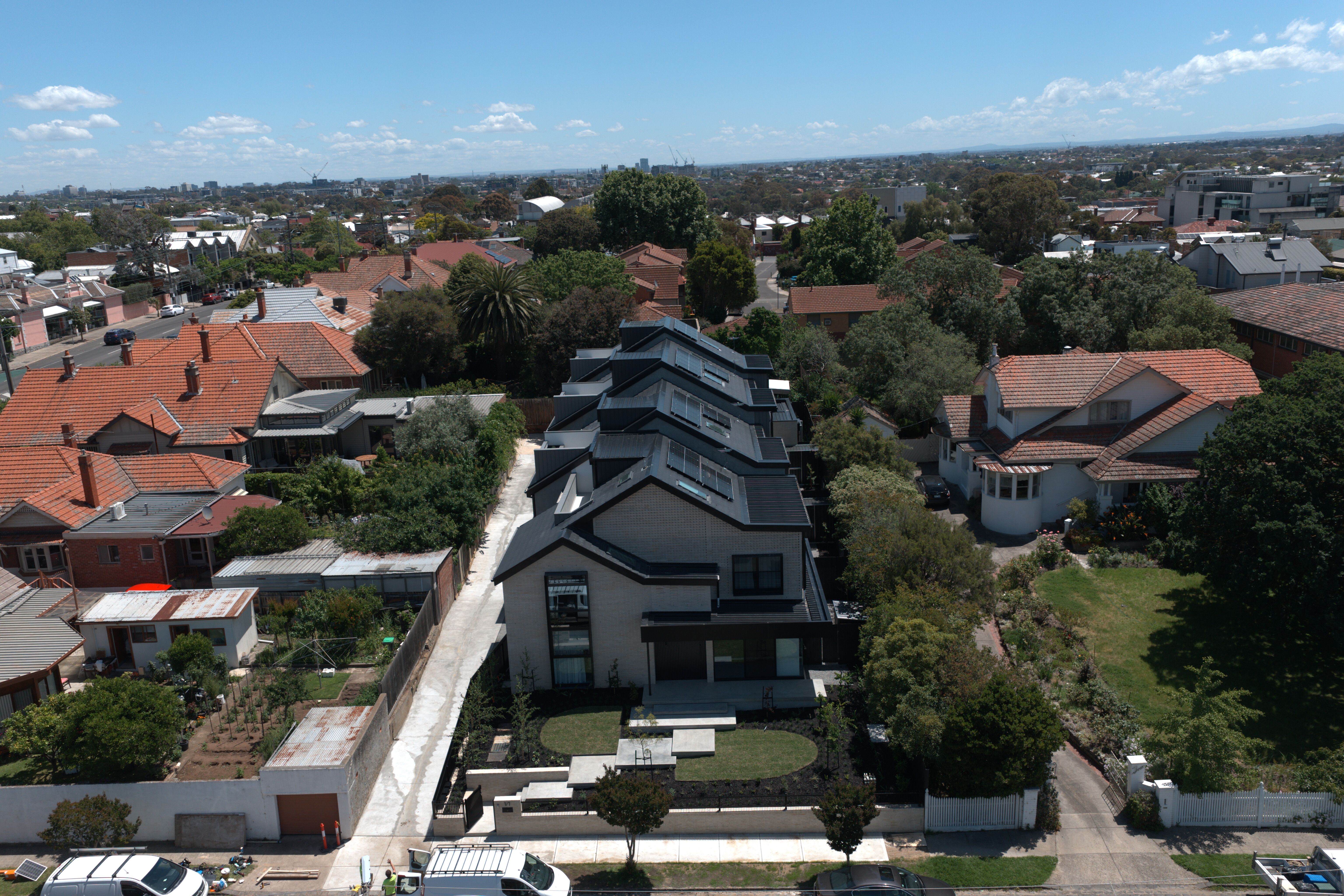
The cost to build townhouses and multi-unit buildings in Melbourne depends on numerous factors. These include the construction costs, home builders costs, the cost of land, and site costs. There are also lesser factors that affect prices, such as foundation type, insulation quality, and the size dimensions of your building. Overall, there is a wide range of costs; some homeowners might pay $300 per square foot. However, this price is only a starting point.
If you're looking to invest in a dual occupancy project and build multi-unit buildings in Melbourne, you can expect to pay anywhere between $350 and $850 per square foot.
In this article, we explore all the different factors that affect the final price for building two townhouses or multi-unit buildings in Melbourne. Also, we'll touch on the exact numbers and help you determine how much does it cost to invest in dual occupancy development in Melbourne.
What is a Townhouse?
A townhouse is a multi-story residence that is connected to one or more other units. You'll commonly see them along the roadways in dense suburban and metropolitan locations. Townhouses resemble regular detached homes but operate more like condominiums, or condos, in that they are all governed by the same entity.
What is a Multi-Unit Building?
Multi-unit buildings are buildings with more than one residential unit. Within the same building, many units can be stacked one on top of the other or side by side.
What is a Dual Occupancy Building?
Dual occupancy is a building with two flats or houses on one title. There are a variety of arrangements that can be used for dual occupancy buildings. This could be two side-by-side houses with street frontage that are connected. It could also be one house behind the other that includes driveway access on one side to access the property.
If you're interested in finding out the costs of building townhouses in Melbourne, it is essential to understand all the factors affecting development costs. The prices of building townhouses or multi-unit buildings depend on numerous considerations, and we will explore them in more detail later on.
First, let's find out why people choose to invest in dual occupancy buildings or multiple buildings at all.
Why Invest in Dual Occupancy Buildings in Melbourne?
There are numerous reasons for building multi-unit dwellings in Melbourne. Primarily, these projects remain cost-effective over time.
Also, there is a growing demand for dual occupancy dwellings. People want to live closer together and use their money on education, travel, and other expenses. This has created high demand for the small units since they cost less to run.
Dual occupancy buildings are also cost-effective.
To build two townhouses in Melbourne, you'll need to purchase land, and the cost of construction is divided into two or more units. At first glance, this may seem too costly for some investors, but it pays off significantly over time with the right strategy.
The cost to build two townhouses in Melbourne is typically less than half the cost of a stand-alone house.
In addition, you can rent out one unit and live in the other. This way, your living expenses are covered with only one unit, and when you pay off the building costs, you can even build wealth by renting.
Now, let's explore all the factors that affect the build cost and how much does it cost exactly to invest in multiple property development in Melbourne.
What is the Cost to Build 2 Townhouses, Melbourne, Australia?
In this section, we will look at all the factors that affect the cost to build two houses in Melbourne and provide you with a cost estimate for building dual occupancy housing.
The Cost of Construction
Typically, construction costs make up a significant cost for two townhouses in Melbourne. The cost to build a dual occupancy housing unit accounts for about the majority of the total cost.
In general, for a single-story building that uses basic materials for construction, the average price is $1000 per square meter. An upmarket luxury build could cost you up o $3000 per square meter for a double storey dwelling.
In a typical suburban area, a dual occupation building or two townhouse developments cost about $1350 per square meter, or $1700 with site costs. An average 3 bedroom townhouse will cost $250,000 upwards per unit.
The cost to build two townhouses in Melbourne varies and depends on multiple factors such as:
- type and quality of materials used;
- required design elements;
- the cost of labor in the area;
- development sites cost;
- the cost of land;
- other costs.
Type and Quality of Materials Used
Your building costs will increase if you decide to go for better-quality materials. For example, building two townhouses in Melbourne with essential build materials like brick and wood may cost you around $150 - $300 per square metre, whereas using costlier material could cost almost double. It is best to look for builders cost crunches online to see the cost breakdowns of different materials used for building townhouses.
Required Design Elements
Townhouse layouts are costlier to design if you want them to stand out. For instance, you may opt for more complex architecture with more expensive materials and design elements like high-end kitchens and bathrooms, fancy tiles, and other cost-intensive features.
The Cost of Labor
If you decide to hire a contractor for your project, it will add costs to your final price as the cost of labor can be pretty pricey. Normally, the cost to build a townhouse in Melbourne for a 100 square meter project could cost you about $25,000 -$50,000.
Development Site Cost
The cost of buying a development site for building two townhouses in Melbourne will affect building them. It is recommended to hire town planners prior to the purchase as they can advise buyers which developments are allowed.
You can save on costs by buying an existing house for redevelopment. For example, the price to purchase and redevelop an existing house in Melbourne is estimated at around $100 per square meter whereas the cost to build new townhouses is estimated at around $150 per square meter.
The Cost of Land
The cost of land is another major cost when building two dwellings. So how much does it cost to acquire land in Melbourne? The price of land fluctuates depending on many factors, mainly location and availability. The price ranges between $150,000 and $875,000.
Keep in mind you will be charged an extra cost if you plan to build a new house or multiple buildings in a more popular area with high demand for housing projects. However, if you go for less popular areas (for example flood-prone areas), you will pay less for the land
As with any construction project in Australia, you'll need to check local planning laws when buying land for two units and ensure appropriate planning permits.
Other Costs
In addition to construction costs and the cost of the land, you need to take into account several other factors that will affect the final price, such as:
- Land tax
- Town planning permit
- Goods and service tax
- Legal cost
- Site management
The Hidden Cost of Building a Duplex or Multiple Townhouses
When building a duplex, multiple townhouses, and multi-unit buildings, there are some hidden costs people tend to forget about, such as
- The cost of demolishing an existing house before building a new one.
- The cost of making infrastructure improvements. This may include upgrading public services like power, water supply, etc.
- The cost of property advertisements for selling or leasing out your properties.
Another important cost that is peculiar for this type of property only is the subdivision of a property.
Property Subdivision Cost
Subdivision of a property isn't straightforward and includes multiple costs such as consulting fees and town planners.
In order to subdivide a property, you need to pay an application fee and have it approved. After that, you will have to hire a surveyor who will cost you about $2,000 -$3,500. Then comes the cost of land division itself at approximately $5 per square meter followed by a cost of land survey (if the surveyor didn't do it).
How to Reduce Costs When Building Townhouses, Melbourne?
When it comes to the build price of two or more townhouses or multi-unit buildings, you should keep in mind that there are several ways you can reduce your construction cost.
First, you can choose to build townhouses instead of units. Townhouses are larger than units and cost less per square metre because the cost is divided between two properties.
You can also opt for modular construction instead of the traditional brick-by-brick building, which reduces cost. Modular home builders in Melbourne use prefabricated construction to keep costs low.
You can also save on the cost by building dual occupancy homes instead of two separate properties. Of course, this will depend on your requirements and living arrangements.
Finally, you can choose to build smaller dwellings that cost less than large properties.
Materials, Furnishings, and Appliances
You can also save a significant amount of money if you purchase all materials yourself. Materials manufacturers offer volume discounts when you buy in bulk, significantly reducing the final purchase price.
The cost of furnishing and appliances vary greatly depending on whether you purchase them one by one or in bulk. For example, suppose you need to buy kitchen cabinets and appliances for two townhouses. In that case, cost savings are maximized if you purchase these items simultaneously, which directly impacts the final purchase price.
How to Make Sure Your Townhouse or Duplex Development Project Pays Off?
If you're wondering whether your investment will pay off, contact a respected company in the construction industry. From cost estimation to cost control and even a feasibility report, they will take care of every aspect of the construction process from start to finish.
In addition, cost consultants can give you valuable advice on reducing costs when building multiple units and townhouses and ensure cost savings, which can be used to attract potential buyers.
If you want to sell your development as soon as possible and avoid huge losses, cost consultants will help you achieve the best price for your property by offering cost-effective building solutions.
With their assistance, you should easily overcome any difficulties during cost estimation and cost control.
How Can Riser Bespoke Builders Help You?
Father-and-son team Jeff and Logan Wang are at the heart of Riser Bespoke Builders. Founded in November 2014, Riser Bespoke Builders now builds 55+ homes a year. The company has a team of more than 25, 35+ proven and trusted subcontractor teams, and an office in South Yarra.
Riser Bespoke Builders offer free consultation calls and help you get a cost estimate in less than a minute! Also, check out their cost calculator to help you estimate the precise cost of the property you are planning to build.
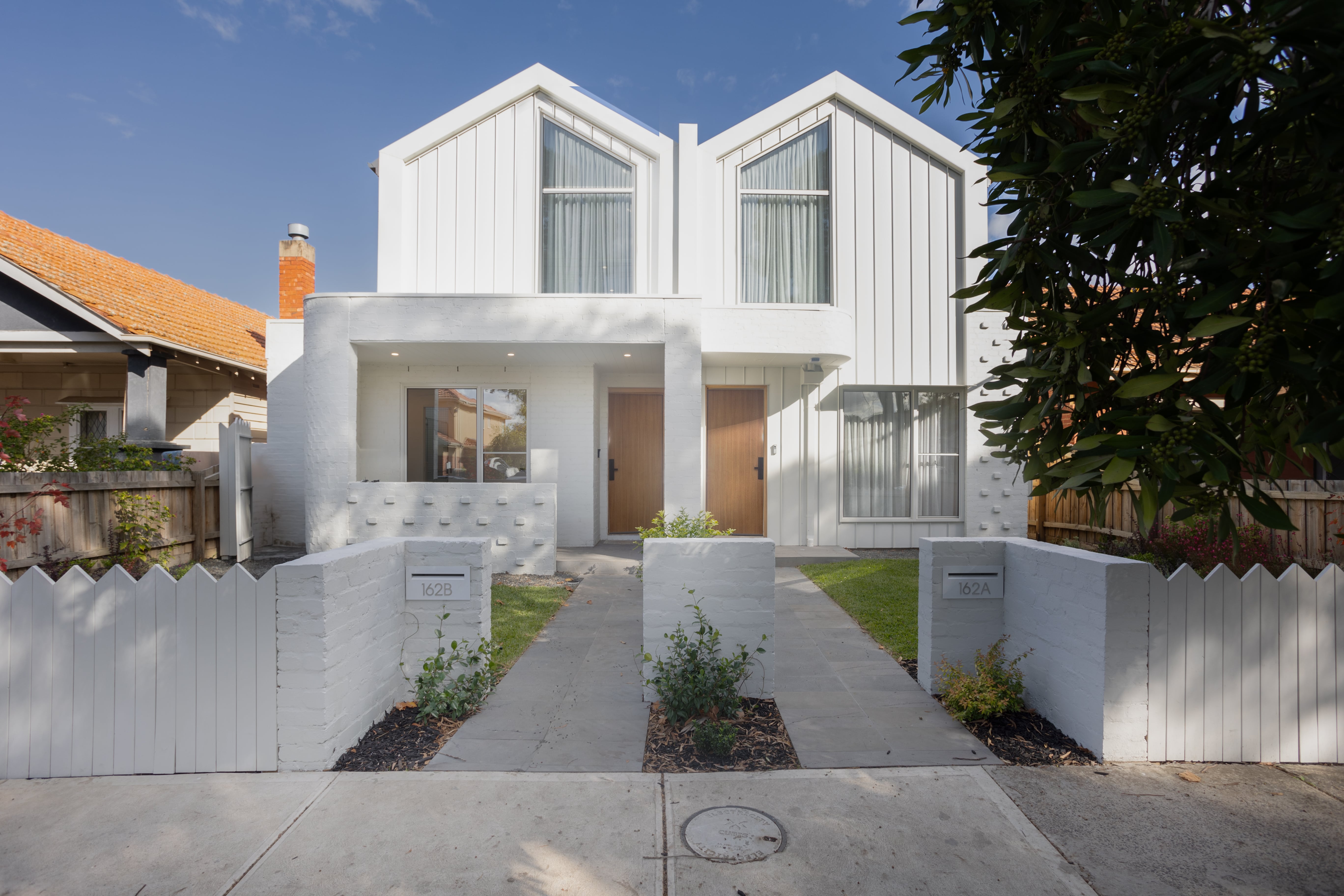
A well-built duplex in a carefully-chosen location has the potential to generate high rental yield and capital growth, so it's not hard to see why it has become such as popular investment option for first-time buyers and investors alike. But it's not quite a penalty kick either- there are certain things you need to factor in to ensure the success of your project.
This article will walk you through the benefits, the costs, and what you need to look out for to make sure it's only your bank balance that's shooting up, not your blood pressure!
What is a duplex
A duplex (also known as a 'dual occupancy') is a residential building with two units under one roof- with one dividing wall splitting it into two separate homes—each home with its own yard, entrance and amenities.
So with one block of land, you can build two homes. It will cost more than building a single freestanding home but much less than building two, and that's where the obvious benefit comes in for investors.
What are the benefits of building a duplex?
Instant equity
Simply the process of building two homes on a block of land can significantly increase its value- something called 'instant equity'. It's not unheard of to see gains of $300,000 in the first year, in larger projects.
Help with cash flow
The rental yield from the second property can go a long way to paying off any mortgage you took out to fund the project, or if it was an investment property, there’s every chance the yield from both properties will more than cover the repayments you need to make.
High growth potential
If you are astute with your choice of location and builder, there is scope for real capital growth potential. And not just on one property, but two.
You can even create equity to put the deposit on another property and get the ball rolling on building your portfolio and property empire!
Great for first-time buyers
Duplexes are a no-brainer for buyers looking to get on the ladder, costing more than a single freestanding house, but that extra is instantly offset by the rental potential and instant equity released by the second property.
Lower maintenance costs
The smaller size of duplexes is reflected in lower maintenance costs. Many have smaller yards and more modest exteriors, which also cuts down on landscaping costs.
What are the average costs of a duplex in Melbourne? And what are the average costs of a duplex in Australia?
A variety of factors impact the final cost of building a duplex (and more on those shortly), but here are the rough averages:
Costs in Australia
Melbourne: $650,000- $1 million
(2 units in 300 sqm, standard finish and modern build is $600,210.00- $663.390 with Riser’ s cost estimator)
Sydney: $600,000- $1.2 million
Canberra: $500,000- $1.1 million
Again though, we must stress these are only averages. The factors below will determine where your project sits on this scale.
Duplexes usually take longer than your average freehold- not surprisingly- anywhere from 3 to 6 months longer, depending on the size and complexity.
What factors affect the price of the duplex build?
1. "Location, location, location."
You will have heard that old cliché, and it's absolutely true: the location of your site build is the main factor that will drive the final price. How popular the area is with renters and buyers. It also determines how likely you'll be to get approval for all the necessary permits from the local councils.
When choosing the location, you need to get into the investment mindset and consider:
- how close it is to the city or any commercial hubs
- how convenient it is for public transport, schools and shops
- other amenities in the area
- local rental demand and supply
2. Site size
The size of the plot of land and, again, the demand in that area, will affect the land costs and thus the value of the investment and its earning potential.
3. Materials used
The quality of the build- from the frame to the countertops- plays a significant role in the final purchase price.
4. The architects and contractors
The design and build obviously account for the lion's share of the costs. The most skilled and experienced often come with a premium cost attached.
The architect will look after everything from drafting the floor plans, to helping establish the preliminary budget and obtaining necessary permits.
The contractors usually hire and co-ordinate all the sub-contracting teams necessary, ensuring all materials are available and advising along the way.
5. Additional costs
Unexpected additional costs (often termed ‘latent conditions’),can include anything from rock removal to service connections.
Things to be wary of
- A dual occupancy project will usually require a substantial dual-frontage block and then appropriate zoning to subdivide into two separate lots. The best sites come with the highest price tags, as you can be sure other buyers will be thinking along the same lines. Sometimes it can even get to a point where the numbers don't stack up, and you pick your battle elsewhere.
- These subdivisions can cost a surprising amount in consultation fees to town planners too- often $40,000 to $50,000.
- You can bypass this hassle by going for pre-approved blocks, but this is normally factored into their (higher) price.
- Between the design, its approval and the construction, it can take over a year, accruing holding costs along the way such as loan repayments, land tax and council rates.
- If you need to knock down an existing property and then rebuild, demolition costs can be up to $20,000.
- Ensure your contract includes a maximum construction completion date and a warranty check-up after six months to fix any minor issues.
- And if you plan on selling within five years of building, you need to factor in GST (Goods and Service Tax) and Capital Gains Tax if it isn't your principal place of residence.
Tips to save money with your duplex development
First off, to avoid a lot of hassle and wasted time, money and energy, keep on the right side of the local council straight away. Find out the local rules and regulations, which development application(s) you'll need down the road, and the likelihood of permit approval.
Smaller duplexes = cheaper duplexes (all things being equal), so this is a way to cut your cloth according to your budget. Building during the off-season can save those precious pennies too.
Vanity may have you seduced by the highest end finishes, but sometimes they don't add the value to justify the expenditure. It would be best to find a trade-off between what you can afford, what will be attractive to renters and what adds value.
Lastly, look into flat blocks as another way to save on your construction costs.
As you can see, the duplex may be a no-brainer as an investment, but it is certainly nothing to jump into without experienced professionals in your corner. Luckily, we know just the guys.
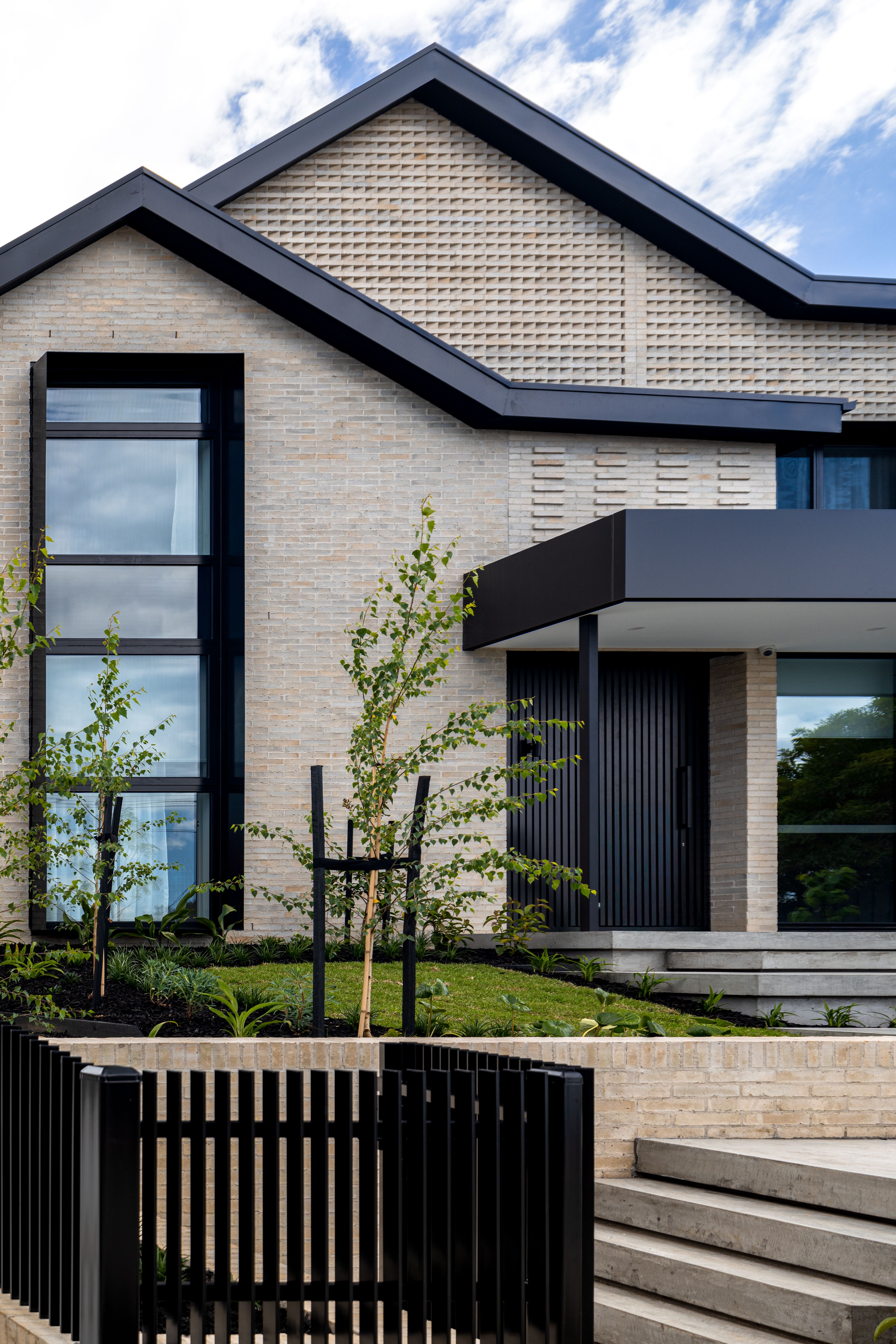
A townhouse is a multi-storey terraced residence. They share walls with the home(s) on either side but have their own front door.
The main benefit they offer over detached houses is they are usually cheaper- the savings from those shared walls get passed on to you! Many also prefer the closer sense of community they can offer (boosted further by the ones that include playgrounds, swimming pools etc. in their common areas).
Costs associated with building a townhouse include the price of purchasing the land, builders and labour costs, construction cost, the cost to demolish or rebuild any existing structures on the land (if applicable), council fees, landscaping, and decorating.
From building costs to materials, insurance, and design, in this article, we explore how much it costs to build a townhouse in Australia.
The Average Cost of Building a House in Australia
We’ll detail later in this article all the factors influencing the cost of a townhouse build, but as a rule of thumb, a basic finish townhouse will cost you in the region of $2,530/square meter; a higher-end finish, closer to the $2,910 mark.
With the average size of a townhouse being around 150 square meters, this gives a rough price range of $380,000- $437,000.
But, these can only ever be averages, as many variables can have an impact.
One is Melbourne’s status as one of the world’s most popular cities to live in. And when demand outstrips supply, prices inevitably rise.
The exact costs associated with the pandemic are still unclear, but what is clear is that it too has driven prices up (volatile exchange rates and supply chain issues being two of the main reasons).
The end result? It’s not uncommon to see townhouses sell for over a million in some of the city’s more sought-after areas! Averages land closer to $700,000.
Factors Affecting Cost of Building a Townhouse in Melbourne
Aside from the enduring popularity of the city itself affecting the cost, they vary between suburbs, as well as within the broader area. “Location, location, location!” holds true, as ever, but the average cost of building a townhouse can be affected by many factors. The most common ones are:
- size of the house
- quality of build
- accessibility to transport
- site consideration
- desired time of completion
- the complexity of the construction project
- builder and labour costs
Let's explore each one in greater detail.
Size of the House
The size of the property greatly impacts the price of the entire house-building project in Australia. It’s common sense: the bigger your new home, the more materials you'll need, and the bigger the budget.
According to the Urban Development Institute of Australia’s 2021 State of The Land report, Melbourne’s median lot price was $319,000 (with Sydney at $495,000!).
Quality of Build
The average cost of building a house in Australia also depends on the materials' quality and how good it looks when finished. If you want that high-end finish or custom build, you’ll have to pay for it!
Expensive finishes require better workmanship, which will increase the costs of materials and labour. On average, plan to spend around $2,500 per square metre for a top-quality build.
Location and Accessibility to Transport
The cost of building a house also depends on the property's location, transport links, local schools, etc. All of these have a significant impact on the desirability and, thus, the price of property there.
Site Consideration
Site costs such as utility connections, fences and surveys will impact the price.
Then factors such as the slope of the land, soil conditions, and how flood-prone the area all affects the building costs. Sites with poor soil quality, significant sloping or areas prone to flooding will result in higher building costs.
Desired Time of Completion
Construction can take anywhere from a few months to over a year, depending on which state you live in and other factors like site conditions and local laws. However, the desired time of building a property can also affect the construction cost. If you need your new house sooner than the average completion time (6-12 months), you CAN get super-fast builds, but you will pay a premium.
The Complexity of the Construction Project
The build cost of a home in Melbourne is also affected by the complexity of the construction project. For example, building three-level townhouses is more complex than constructing the average 2- or 3-bedroom home.
More time + more materials= higher price.
Builder and Labor Costs
Your construction costs will also depend on the service provider you choose. Do some research beforehand on which companies can provide a better value for money. But, “you get what you pay for”, my old man never tired of telling me. And I think he was onto something.
Skimping on build costs can be a false economy.
When researching property development companies, always consider reviews from past customers. And, when it comes to the pricing, a full-time builder will charge around $75 per hour on average.
Keep reading to find out which other costs to expect besides these most common development and build costs.
Additional Costs for Building a House in Melbourne, Australia
Building a house doesn't only include buying the materials and paying the construction workers. You also have to watch out for some other costs people usually don't consider when planning their budget for constructing a house.
Land Cost
The median price per square metre of land in Melbourne is around $900. This cost may vary depending on factors such as location, size of the plot, and whether you're constructing over an existing structure or not.
Land price accounts for about 10% of average house building costs in Australia.
Stamp Duty
The price to build a property in Australia also depends on local state tax laws. Stamp duty is a fee you have to pay when purchasing a new property, and it's calculated as a percentage of the land price or transfer value.
One of the COVID-19 pandemic’s rare silver linings is that it has led many states to offer significant discounts on their stamp duty.
Permits, Licenses, and Legal Fees
You will need to apply for permits to build any kind of structure.
Depending on the size and complexity of your project, you may also have to take care of the related legal fees, licenses, and other related expenses.
For example, if you plan to build a pool or install an air conditioning system in your new house, you need to get the relevant licenses. Something else to keep in mind when organising your budget for building a property.
Site Preparation
Even before you start building, you will need to make some changes to the site. If the property's current owner has hired a landscaping company, there may be additional construction costs for demolitions and clean-ups.
If you don't want to use the services of your average builder but instead plan on taking care of all these tiring tasks yourself, you need to add site preparation costs on top of the average cost to build a new house.
Now that we've covered the average cost of construction and all the other potential fees let's focus on townhouses and their costs specifically.
How Much Does It Cost to Build a Townhouse from Scratch?
A townhouse is a property that has more than one floor. It includes at least two bedrooms, has its own front and back door, and the backyard is shared with the other townhouses in your community.
You can expect average construction costs of $2,720 per square metre for building a brand new townhouse in Melbourne. But- and I’m sure you can guess what's coming up!- that’s only the roughest of averages. Prices can vary wildly according to the quality of the finish, the popularity of the location and the rest of the factors we went through above.
If you plan to build a townhouse in a new housing estate, you shouldn't expect any additional costs.
What Are The Costs for Townhouses by Australian Cities?
Are you interested in a confident price of your new home? There are cost calculators available online to help you estimate a close cost of the property you are planning to build.
How Can Riser Bespoke Builders Help You?
Father-and-son team Jeff and Logan Wang are at the heart of Riser Bespoke Builders. Founded in November 2014, Riser Bespoke Builders now builds 55+ homes a year. The company has a team of more than 25, 35+ proven and trusted subcontractor teams, and an office in South Yarra.
Riser Bespoke Builders offer free consultation calls and will help you get a cost estimate in less than a minute!
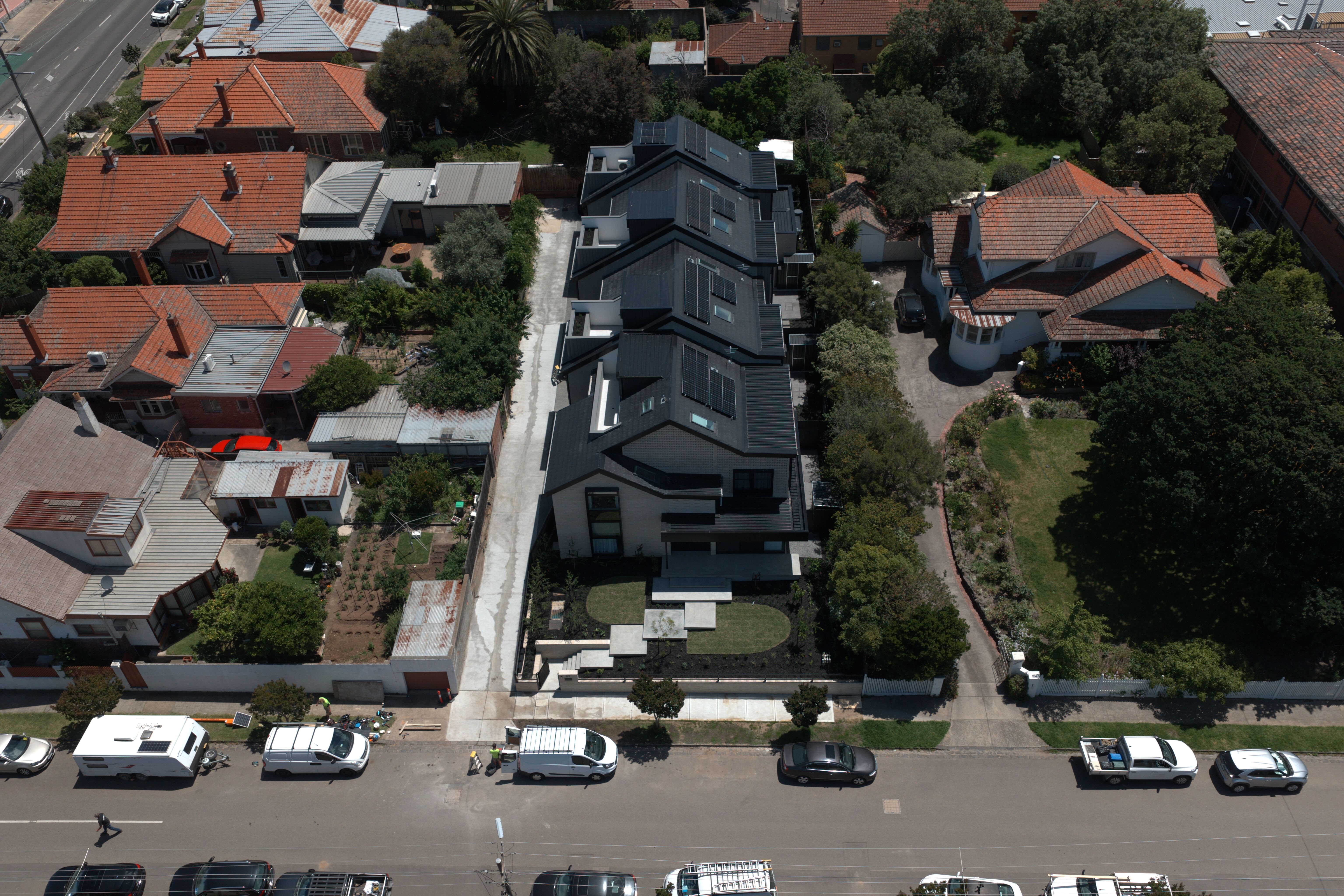
There was a time- not too long ago- when the single dwelling house was the default choice for buyers everywhere—families, especially.
But times change with the seasons, and the last decade has seen a shift in buyer behaviours as demographics change, and with it, their priorities.
The townhouse has emerged as a real threat to the enduring popularity of the single dwelling. If you are wondering which is the best choice for you, this article breaks down their respective pros and cons.
Townhouse compared to single dwelling: definitions
Townhouses are multiple dwellings under one roof that share a wall.
Single dwellings are, well, as the name suggests- single dwellings, be it in a detached or semi-detached property.
Now we have the basics out of the way, how do they stack up?
Townhouse pros and cons
The plot and build of a townhouse may be more expensive than a single house, but with several dwellings on just one plot of land, they work out significantly cheaper than two houses. And they provide multiple incomes from a single asset.
They are typically built near amenities and transport links, so the location can be a huge draw for investors and renters alike. Upkeep is cheaper than houses too; another attraction for potential renters.
However, capital growth is typically smaller than that of single dwellings.
Pro's
- cheaper than buying two houses: two rental incomes from one asset
- locations are popular with investors and renters
- come with modern amenities
- social benefits to townhouse living, but with a decent level of privacy too
Con's
- less space than a single dwelling (usually)
- multi-levels can be an issue with the elderly or less mobile
- typically less capital growth than single dwellings
Single dwelling pros and cons
Single dwellings have been the go-to for families (especially young ones) for years. And it's easy to see why.
They are usually in the suburbs, spacious, with garden space for the kids and (relative) privacy.
However, this space and privacy does come at a cost as land rates, utilities, insurance, and maintenance is higher than in townhouses.
Pros
- more space
- more privacy
- often easier to finance
- better capital growth potential
Cons
- more expensive to buy- costs to live in popular areas can be hefty
- more expensive to maintain
- less potential rental yield than a townhouse
The verdict
Which property is best for you will depend upon your particular circumstances and priorities.
If you are looking at it as an investment, then it boils down to whether you are prioritising capital growth (which favours single dwellings) or rental yield (which favours townhouses).
If you are looking to live in the property yourself, you will want to factor in things like the location you want for you (and your family, if you have one) and- lest we forget!- your budget.
We hope this guide has helped clear up the differences and distinctions between the two and helped move you one step further along the journey to finding your dream home!